 SheetWorkflow Guide
Choose the logical relationship first
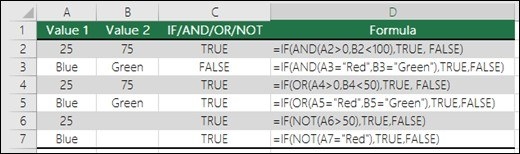
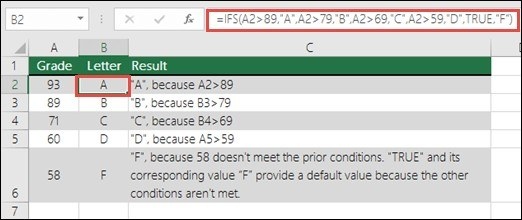
IF can return different outcomes from a test, while AND, OR, and NOT describe relationships inside that test. The source explains that AND requires the stated conditions together, OR allows alternatives, and NOT reverses a logical result. Use the function that represents the actual requirement rather than nesting several expressions without first describing the intended decision in plain language.
Verify representative true and false cases
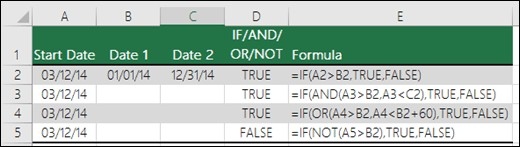
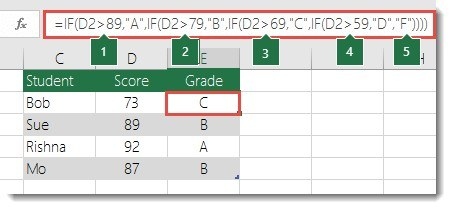
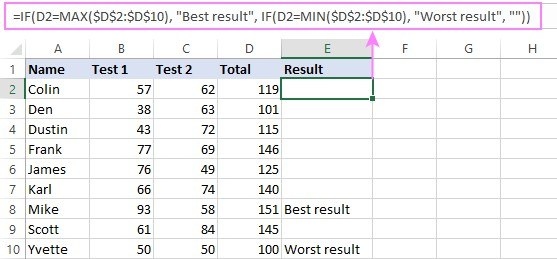
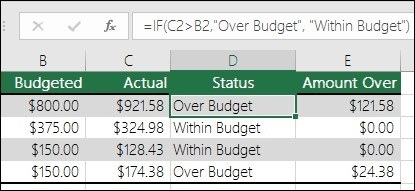
The combined formula still needs an outcome for the qualifying case and an appropriate alternative. Check the range references and comparisons as separate parts of the expression before testing the whole result. Include examples that satisfy all, some, and none of the conditions when those distinctions matter. This helps reveal an incorrect logical relationship that may remain hidden if every test record happens to produce the same expected label.





Comments (0)